


Glazes are used to give ceramics color, surface, and unique effects. Here you’ll find a wide range of ceramic glazes, brush-on glazes, and decals for both earthenware and stoneware—adapted for different techniques and firing temperatures. Not sure which glaze suits your project? Explore our guide and find the right glaze for your technique and firing.


-

1100 series Sample Pack
Brushing glaze for stoneware
STG-1100S
1 024 kr / pack.Add to favorites- Stock status
- Sold out
-
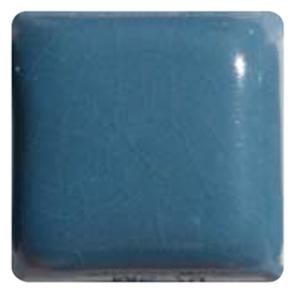
501 Blues
Brushing glaze for earthen and stoneware
SC58
151 kr / pc.Add to favorites- Stock status
- In stock
-
Aba Orange
Engobe ready mixed
MS-206
260 kr / pc.Add to favorites- Stock status
- In stock
-
Abalone
Brushing glaze for stoneware
SW-143
288 kr / pc.Add to favorites- Stock status
- In stock
-
Acai Gloss
Brushing glaze for stoneware
SH-21
244 kr / pc.Add to favorites- Stock status
- In stock
-
Acai Matte
Brushing glaze for stoneware
SH-22
244 kr / pc.Add to favorites- Stock status
- In stock
-
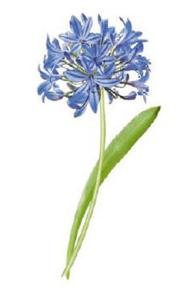
Agapanthus 80x40mm - 1 pcs
Decal for ceramics and glass
DEB-57394A
8 kr / pc.Add to favorites- Stock status
- In stock
-
Ahi
Brushing glaze for stoneware
STG-1406
288 kr / pc.Add to favorites- Stock status
- In stock
-
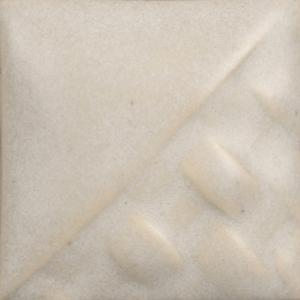
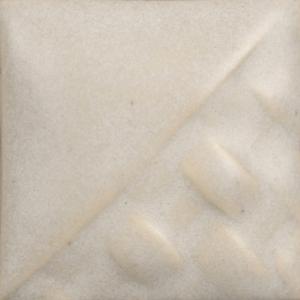
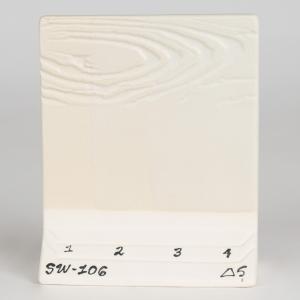
Alabaster
Brushing glaze for stoneware
SW-106
225 kr / pc.Add to favorites- Stock status
- Sold out
-
Alabaster - Dry
Dipping glaze for stoneware
SD-106
1 431 kr / pack.Add to favorites- Stock status
- Sold out
-
Alaska 70x50cm
Firing decal for glass and ceramics
DEB-3645
259 kr / SheetAdd to favorites- Stock status
- In stock
-
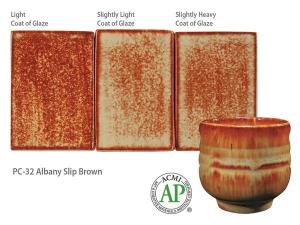
Albany Slip Brown
Brushing glaze for stoneware
PC-32
255 kr / pc.Add to favorites- Stock status
- Sold out
-
Alfred Blue
Brushing glaze for stoneware
MS-79
301 kr / pc.Add to favorites- Stock status
- In stock
-
Algae Bloom
Brushing glaze for Raku
STG-875
313 kr / pc.Add to favorites- Stock status
- Sold out
-
Almond
Brushing glaze for stoneware
MS-68
301 kr / pc.Add to favorites- Stock status
- In stock
-
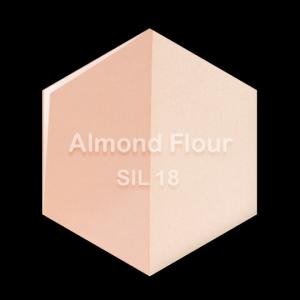
Almond Flour
Underglaze
SIL-18
271 kr / pc.Add to favorites- Stock status
- In stock
-
Almond Spice
Brushing glaze for stoneware
MS-69
301 kr / pc.Add to favorites- Stock status
- In stock
-
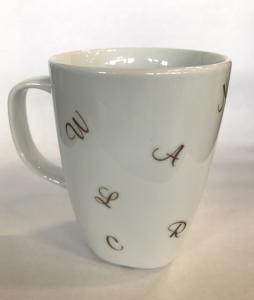
Alphabet - 5 mm - 1 st
Decal for ceramics and glass
DEB-816-B144
18 kr / SheetAdd to favorites- Stock status
- In stock
-
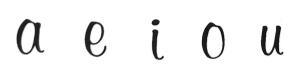
Alphabet Vowels - 5 mm - 3 set
Decal for ceramics and glass
DEB-816-B137
9 kr / pack.Add to favorites- Stock status
- In stock
-
Alphabet classic small 69 letters - 5 mm - 1 pcs
Decal for glass and ceramics
DEB-816-SB144
15 kr / SheetAdd to favorites- Stock status
- In stock
-
Alphabet elegant 64 letters - 10 mm - 1 pcs
Decal for ceramics and glass
DEB-816-B91
31 kr / SheetAdd to favorites- Stock status
- In stock
-
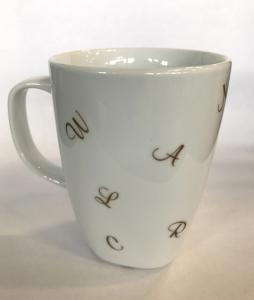
Alphabet sepia 69 letters - 5 mm - 1 pcs
Decal for glass and ceramics
DEB-816-OG144
18 kr / SheetAdd to favorites- Stock status
- In stock
-
Alphabet sepia classic small 69 letters - 5 mm - 1 pcs
Decal for ceramics and glass
DEB-816-SOG144
15 kr / SheetAdd to favorites- Stock status
- In stock
-
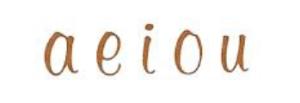
Alphabet sepia elegant Vowels - 5 mm - 5 set vowels
Decal for ceramics and glass
DEB-816-OG137
6 kr / pack.Add to favorites- Stock status
- In stock
-
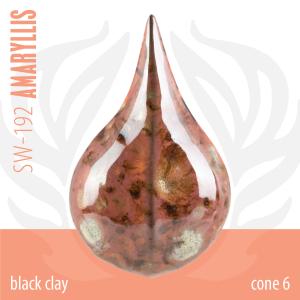
Amaryllis - Dry
Dipping glaze for stoneware
SD-192
1 999 kr / pack.Add to favorites- Stock status
- Sold out
-
Amber
Brushing glaze for earthenware
LG-65
384 kr / pc.Add to favorites- Stock status
- In stock
-
Amber Topaz - Dry
Dipping glaze for stoneware
SD-204
1 431 kr / pack.Add to favorites- Stock status
- Sold out
-
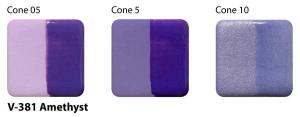
Amethyst
Underglaze
V-381-2
131 kr / pc.Add to favorites- Stock status
- In stock
-
Amethyst
The High Fire
HF-171
438 kr / pc.Add to favorites- Stock status
- In stock
-
Amethyst
Underglaze
SBG-1034
120 kr / pc.Add to favorites- Stock status
- In stock
-
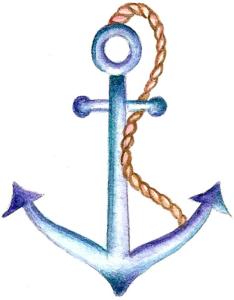
Anchor - 80 mm - 1 pcs
Firing decal for glass and ceramics
DEB-3445-B80
8 kr / pc.Add to favorites- Stock status
- In stock
-
Anchors Away
Underglaze
FS-2396
290 kr / pc.Add to favorites- Stock status
- Sold out
-
Ancient Copper
Brushing glaze for stoneware
PC-56
283 kr / pc.Add to favorites- Stock status
- In stock
-
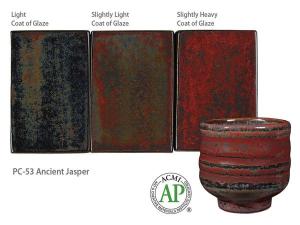
Ancient Jasper
Brushing glaze for stoneware
PC-53G
1 194 kr / pc.Add to favorites- Stock status
- In stock
-
Anemone 70x50cm
Decal for glass and ceramics
DEB-3578
259 kr / SheetAdd to favorites- Stock status
- In stock
-
Angel - 95 mm - 10 pcs
Decal for glass and ceramics
DEB-2783A
58 kr / pack.Add to favorites- Stock status
- In stock
-
Angels - 75 mm - 10 pcs
Decal for glass and ceramics
DEB-2815E
49 kr / pack.Add to favorites- Stock status
- In stock
-
Angels 70x50 cm
Decal on sheet
DEB-3005
259 kr / SheetAdd to favorites- Stock status
- In stock
-
Antique Brass
Brushing glaze for stoneware
SW-182
288 kr / pc.Add to favorites- Stock status
- In stock
-
Antique Jade
Brushing glaze for stoneware
WC-107
265 kr / pc.Add to favorites- Stock status
- In stock
-
Antique Jade - Dry
Dipping glaze for stoneware
WCD-107
460 kr / pack.Add to favorites- Stock status
- In stock
-
Antique Moss
Glaze from Gare
NTG-9337
200 kr / pc.Add to favorites- Stock status
- In stock
-
Antique Mottle
Brushing glaze for stoneware
STG-1177
239 kr / pc.Add to favorites- Stock status
- In stock
-
Antique Turquoise
Brushing glaze for stoneware
MS-258
301 kr / pc.Add to favorites- Stock status
- In stock
-
Antique Turquoise - Dry
Dipping glaze for stoneware
MSD-258
418 kr / pack.Add to favorites- Stock status
- Sold out
-
Antique White
Brushing glaze for earthenware
FN-014
241 kr / pc.Add to favorites- Stock status
- In stock
-
Aphabet Small - 10 mm - 1 st
Decal for ceramics and glass
DEB-816-SB91
23 kr / SheetAdd to favorites- Stock status
- In stock
-
Aphabet Small sepia 69 letters - 10 mm - 1 st
Decal for ceramics and glass
DEB-816-SOG91
21 kr / SheetAdd to favorites- Stock status
- In stock























Which glaze should you choose?
Ceramic glazes come in many varieties – from transparent glazes to reactive effect glazes. The choice depends on the type of clay you are using, the firing temperature, and the result you want to achieve. Some glazes create clean, solid-colored surfaces, while others produce depth, patterns, or crystal effects.
At Art4Fun, you’ll find glazes for both earthenware (1000 °C) and stoneware (1210–1240 °C), available as brush-on glazes or dipping glazes. We also offer underglazes and slips, which are applied before glazing to create decorative details. If you’re looking for something more experimental, we also carry glazes for raku firing.
Feel free to explore our different glaze types:
Stoneware glazes 1200 °C – for high firing with durable and expressive surfaces
Earthenware glazes 1000 °C – suitable for hobby ceramics and school use
Brush-on glazes – applied with a brush, offering control and detail
Dipping glazes – applied by dipping into a glaze bath
Underglazes and slips – used before glazing
Raku – special glazes for low-temperature, smoky firing
Need help choosing the right glaze for your project? Contact us and we’ll be happy to guide you.
It is important to always test an unfamiliar glaze before applying it to production work, as not only the clay can affect the final result, but also the thickness of the glaze application, the firing schedule, how fully loaded the kiln is, and the age of the kiln. The clays we sell generally work well with our glazes.
Most of our glazes are food safe. Those that are not are clearly marked with a warning symbol on the container and in the product description on our website. Food safe means that the glaze withstands acidic foods and contact with cutlery without the glaze surface being affected. When working with glazes, eating, drinking, or smoking should be avoided, and dust formation should be minimized.
Our glazes work well on clays from Georg & Schneider and Laguna. If other clays are used, please test first.
Our glazes may develop what are known as oolites, which form as a result of a natural process involving certain raw materials in the glaze. These are small white spheres of varying sizes. If they are detected, they should be strained out (using a 60-mesh strainer) before use. The glaze is then used as usual.